
Rodents in a Sydney property are more than a noise in the ceiling. Rats and mice contaminate food, chew wiring and insulation, and spread through roof voids, subfloors and adjoining units.
Extreme Pest Control NSW inspects, treats and advises on proofing for rodent problems in houses, townhouses and commercial buildings across Greater Sydney. If you are hearing scratching at night or finding droppings, it is worth dealing with the access points as well as the animals already inside.
What a rodent problem looks like
Roof rats use fences, trees and powerlines as runways into eaves and roof voids. Mice move in at ground level through garage gaps, weep holes and service penetrations, then live in kitchens and storage. Norway rats are more often associated with ground burrows, subfloors and waste areas.
Activity is usually worse where food, water and shelter overlap: pet food, bird seed, compost, fruit trees, overgrown vegetation against the house, and cluttered garages. In commercial sites, waste rooms and loading docks do the same job.
A few droppings in a cupboard can be the edge of a larger roof or subfloor population. Treating only the kitchen without inspecting the void often leads to a short quiet period and then the same noises returning.
Common signs
-
Noises
Scratching, scurrying or rolling sounds in the roof or walls, often at dusk and overnight.
-
Droppings
Dark pellets in cupboards, the garage, roof void or along walls. Size helps distinguish mice from rats.
-
Gnawing
Chewed packets, timber, plastic bins or electrical cabling.
-
Smears and nests
Greasy rub marks along beams, shredded insulation, or nesting in stored goods.
Damage and health issues
Rodents chew electrical wiring, which is a fire and repair risk. They also damage insulation and plasterboard as they move through voids.
Droppings and urine contaminate food and food-prep areas. In businesses that can mean stock loss and hygiene failures.
Rodents breed quickly when food is available. A “couple of mice” in autumn can be a much larger problem by winter if access and food are left in place.
How rodent treatment works
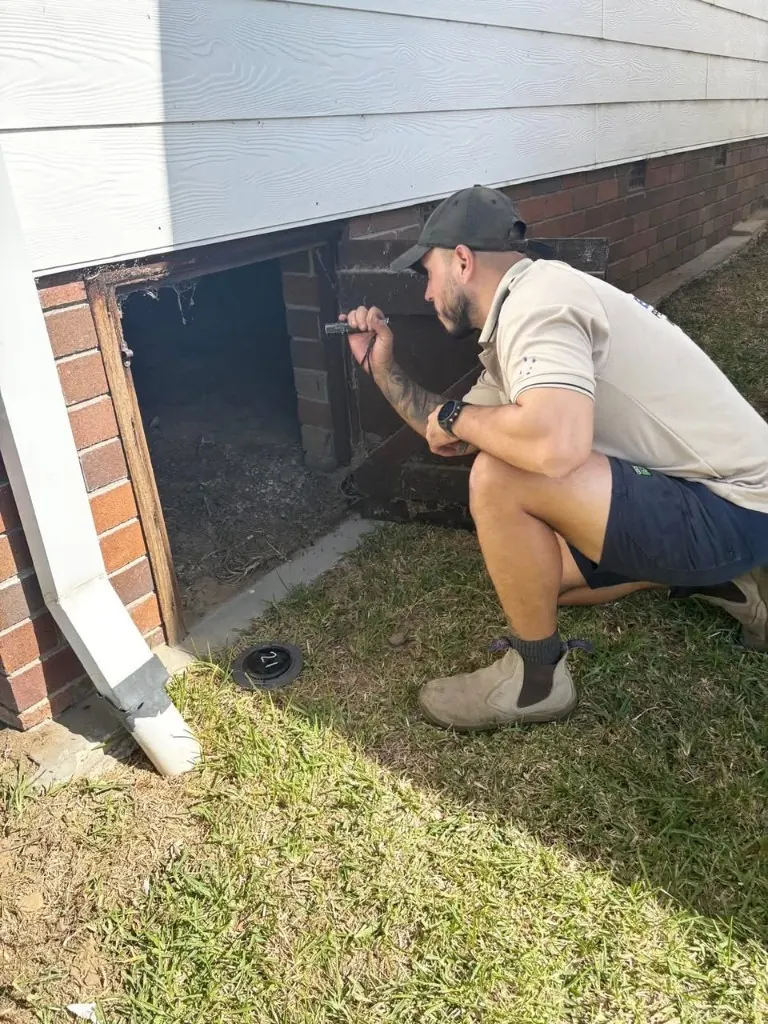
Inspection comes first: roof void, subfloor where accessible, kitchen, garage, waste areas and obvious entry points such as eaves, garage seals, pipe penetrations and vegetation touching the roof.
Treatment may include baiting in tamper-resistant stations, trapping, and removal of nesting material where it is practical. Indoor baiting is planned around children, pets and non-target animals.
Proofing is what stops the next infestation. That can be as simple as sealing a gap beside a pipe, trimming tree limbs off the roof, fixing a garage door seal or storing pet food in lidded containers. We will tell you what we can do on the visit and what a builder or owner needs to close up.
Rodent control with Extreme Pest Control NSW
We look for how they got in, not only where they are feeding tonight.
Family owned pest control across Greater Sydney, including roof-noise jobs that other people treat as “just possums” without checking.
You get clear instructions on pets, bait stations and what to monitor after the visit.
Areas serviced
Rodent Control is available across Greater Sydney. We travel to the property rather than operating a shopfront in every suburb.
See all service areas.
Related services
FAQs
Is it rats or possums in the roof? +
Both can make noise. Droppings, gnaw marks, greasy runways and the time of night all help. Inspection is the way to tell. Possums are protected wildlife in NSW and are handled differently from rodents.
How quickly can you attend? +
We work across Greater Sydney by appointment. Call 0422 646 334 and we will give you the next available time rather than promising a timeframe we cannot keep.
Are rodent baits safe for dogs and cats? +
We use tamper-resistant stations and will place them where pets cannot access the bait. Tell us about pets, including pets that visit the yard, so we can plan the job.
How long does rodent treatment take? +
The first visit is usually completed in one appointment. Activity can take several days to drop as rodents take bait or traps do their work. Follow-up is used when activity continues.